December 2015
The month of December may be the best sky for those using binoculars to observe. Cooler temperatures on land combined with the close proximity of stars and lack of interstellar dust in the visible area of our galaxy result in a series of apparently bright stars. Most of the constellations visible during the autumn and winter seasons are exceptionally recognizable for this reason.
We are not exactly in the dead of winter yet. Winter solstice will not occur until December 22nd this year, so most of December will be spent under an autumn-season sky. However, observers frequenting the skies between midnight and 1:00 AM will be greeted with a near-perfect winter sky. If you are outside much earlier though, you will see what I consider to be a transitional sky: mostly autumn but a lot of winter.
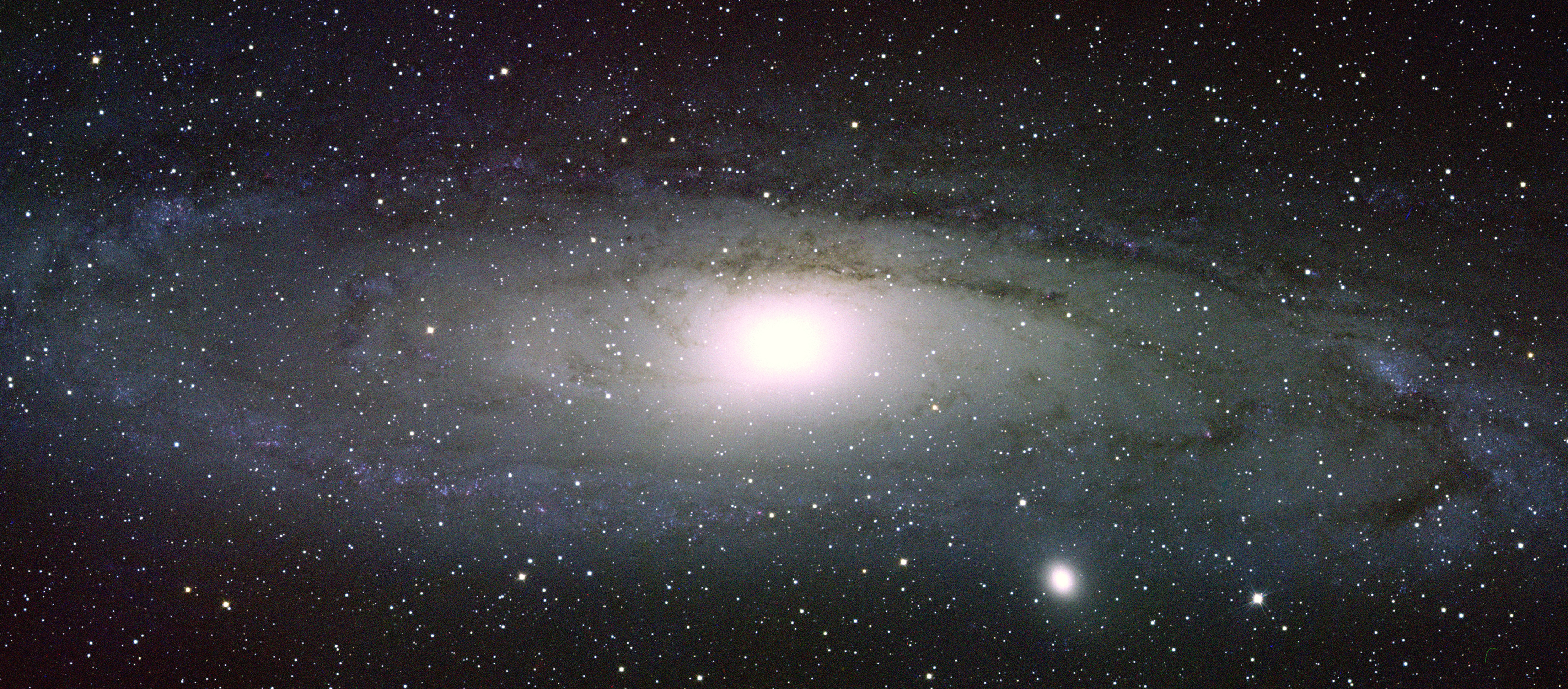
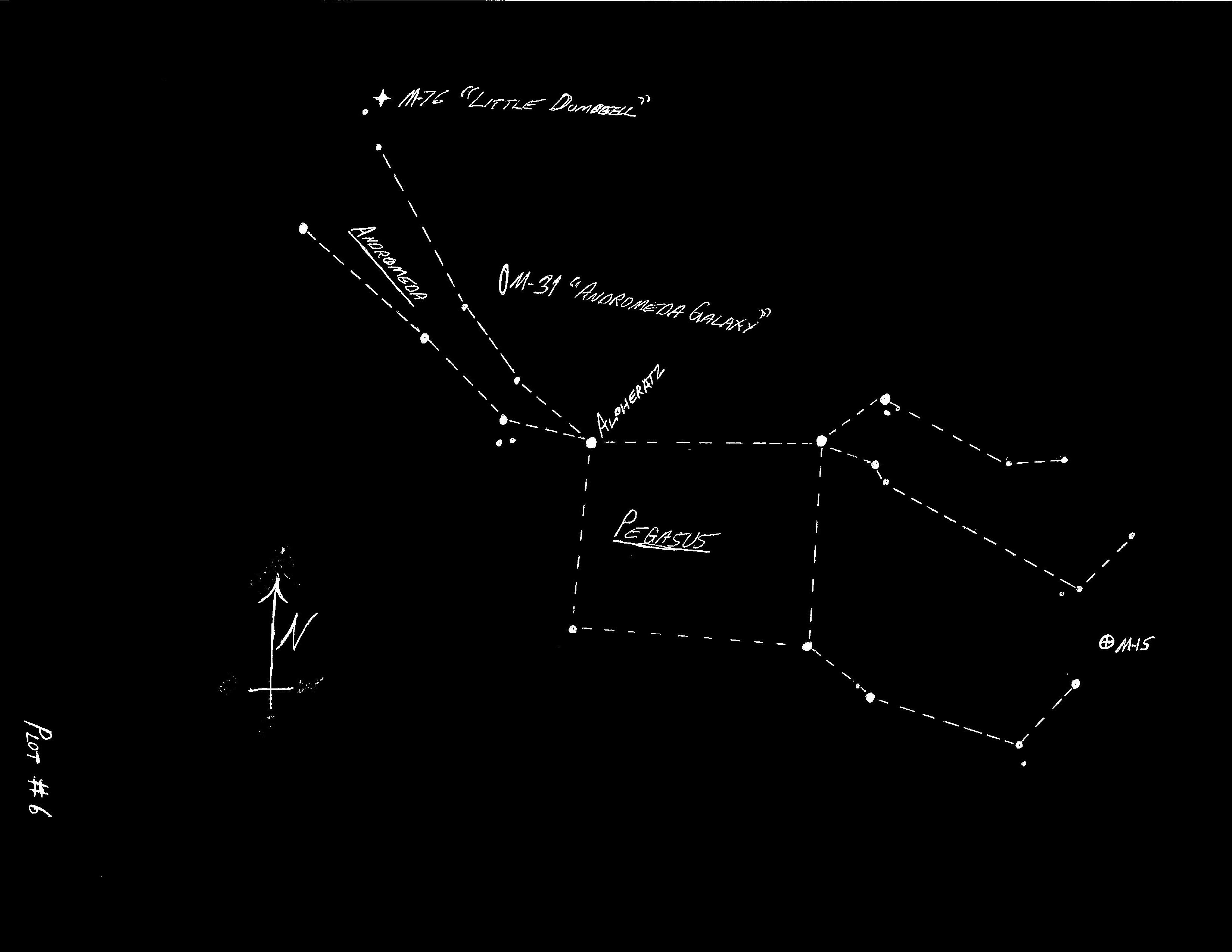
You should pay particular attention to the constellations of Pegasus and Andromeda. These maintain their position as the dominant constellations of autumn, being visible almost right overhead in the sky. Remember, when in doubt look for the ''Great Square'' of Pegasus. If you are observing with binoculars or a telescope, do not miss your chance to see the Andromeda Galaxy. At 2.5 million light-years away, this is the closest galaxy like our own to the Milky Way Galaxy. It is also likely to be the most distant object you will be able to easily see through binoculars, appearing as a dim disk of light in the field of view (sorry, it will not look like the picture). A diagram of these constellations and their associated deep-sky objects is provided in the diagram below.
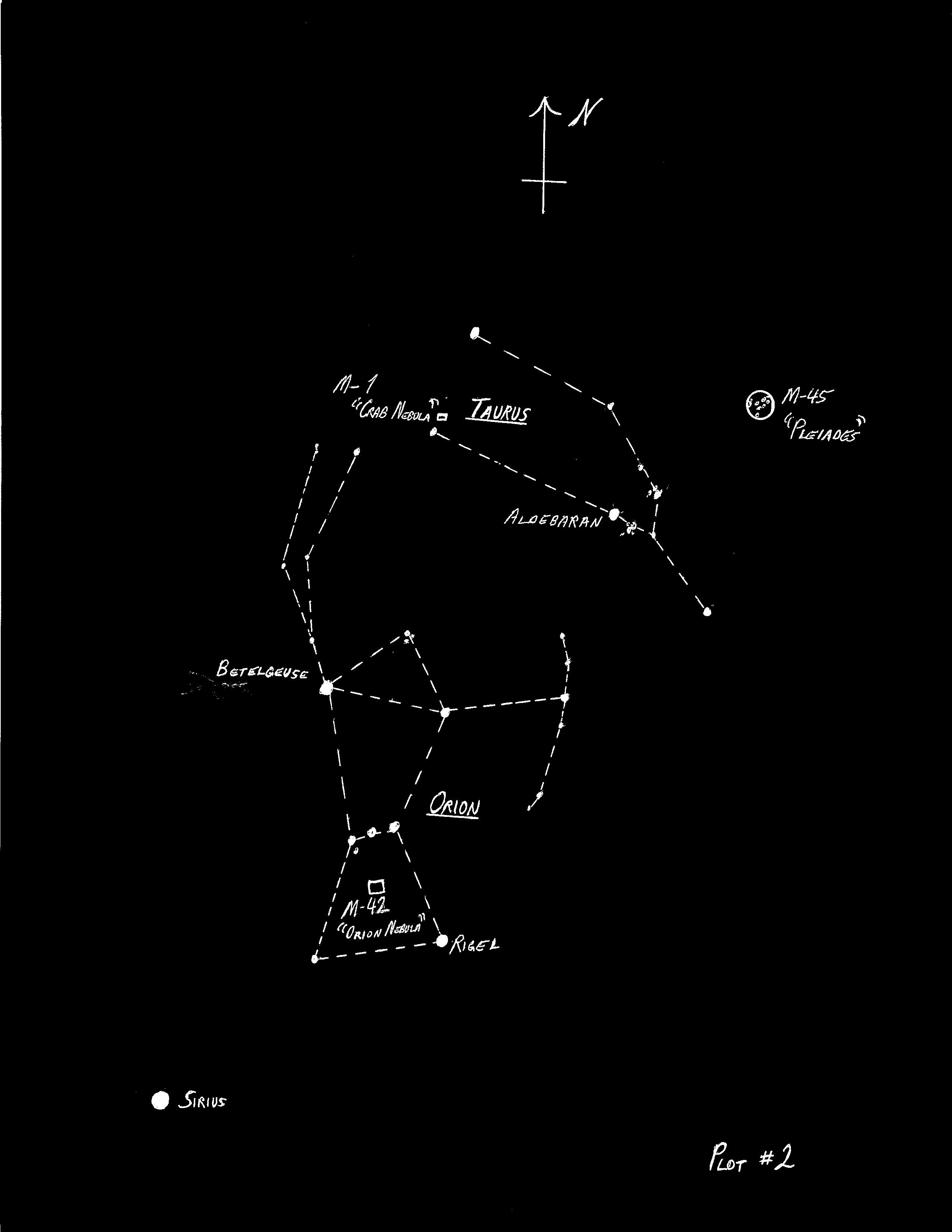
Winter constellations are rising in the east, with the mighty Orion being the most recognizable. By December 22nd, this constellation will be right in the middle of the sky at midnight. For most of the month, it will be creeping up above the horizon toward the East. The three stars of the belt should be your guide. Follow this belt in a straight line toward the right, and you will find Taurus the bull. Another great binocular object of this month, the Pleiades or Seven Sisters, can be seen in this constellation. Just look for the glittering cluster of twinkling, blue stars and you have found it. This is a prime example of what is called an open star cluster, a group of recently formed stars gradually spreading through space. I will save the Orion Nebula for next month; however, its location is provided for convenience as well as the locations of the other objects mentioned in the Orion region in the diagram provided.
The planets Jupiter, Mars, and Venus will all still be in a straight line across the sky around 5:00 AM as we progress through the month, although the positions of each will become much more spread out across the sky as December wears on.
Andromeda Galaxy Image Credit: National Optical Astronomy Observatory